Maximizing your gains: how to incorporate cardio without compromising your muscle growth

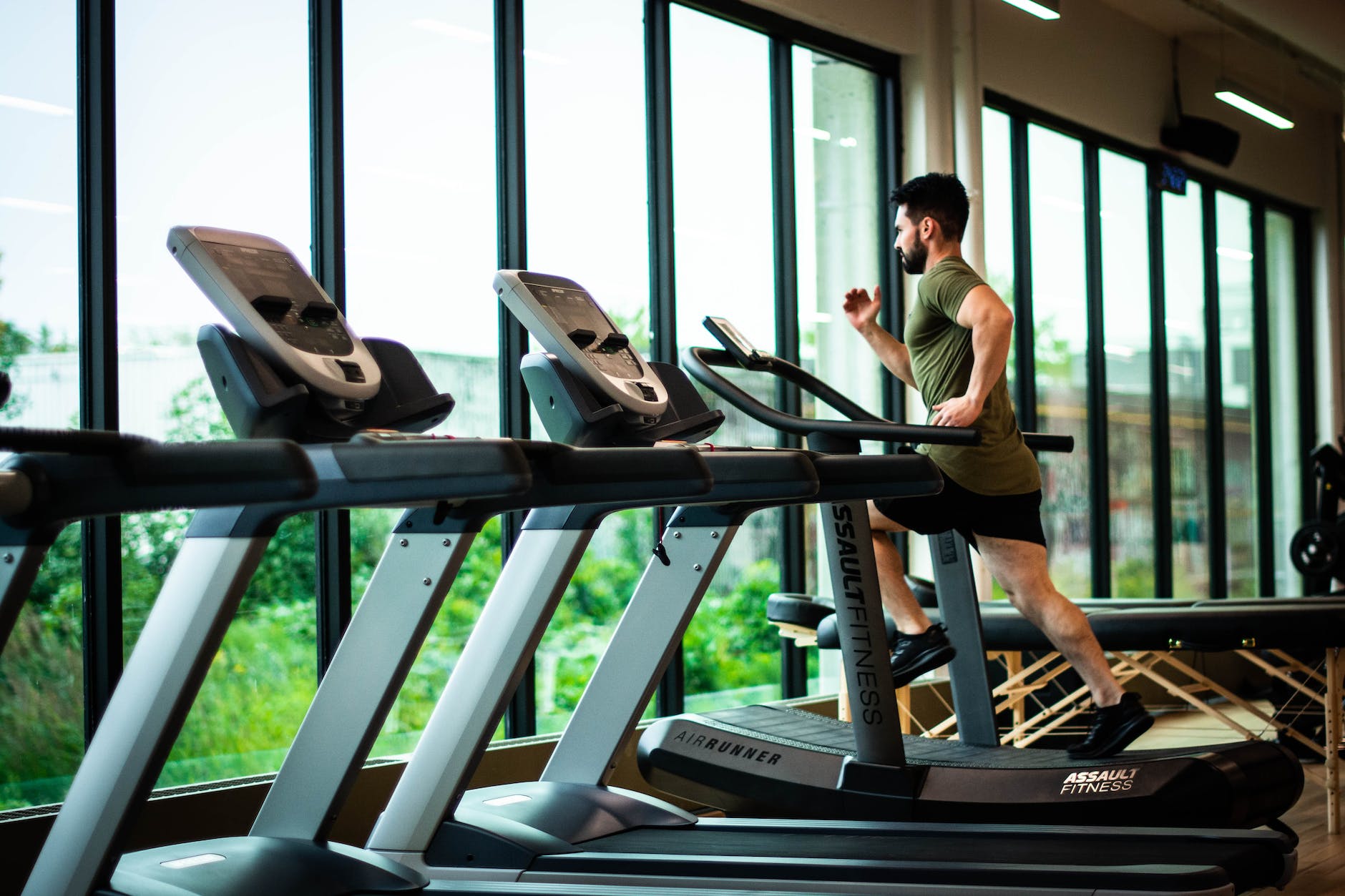
Incorporating cardio into your workout routine can be a great way to improve your cardiovascular health and burn extra calories. However, if you’re also looking to build muscle, you may be concerned about compromising your gains. The good news is that it is possible to do cardio without sacrificing muscle growth. In this post, we’ll explore some tips on how to incorporate cardio into your routine while still building and maintaining muscle, drawing on information from several reputable sources.

  1. Start with low-intensity cardio
  2. Time your cardio sessions strategically
  3. Keep your cardio sessions short and sweet
  4. Don’t overdo it
  5. Incorporate cardio that complements your goals
  6. conclusion

Start with low-intensity cardio

One way to incorporate cardio without compromising your muscle growth is to start with low-intensity cardio. This can include activities like walking, cycling, or using an elliptical machine. According to a Healthline article on how to lose fat without losing muscle, low-intensity cardio is less likely to interfere with muscle recovery and growth than high-intensity cardio.

Time your cardio sessions strategically

Another tip for incorporating cardio without sacrificing muscle growth is to time your cardio sessions strategically. According to an Insider article on whether cardio hinders muscle building gains, doing cardio after your weightlifting session can help you burn extra calories without interfering with muscle growth. This is because your body will already be in a fat-burning state from your weightlifting workout, so doing cardio afterwards can further enhance this effect.

Keep your cardio sessions short and sweet

When it comes to cardio and muscle growth, the duration of your cardio sessions is also important. According to a LiveScience article on whether cardio kills gains, longer cardio sessions can interfere with muscle growth. Instead, keep your cardio sessions short and sweet. The article suggests limiting your cardio sessions to 30 minutes or less, and focusing on high-intensity interval training (HIIT) or other forms of interval training.

Don’t overdo it

While incorporating cardio can be beneficial for overall health and fitness, it’s important not to overdo it. Doing too much cardio can lead to overtraining and interfere with muscle growth. According to a Healthline article on muscular hypertrophy, excessive cardio can lead to muscle breakdown and interfere with muscle protein synthesis, which is necessary for muscle growth.

Incorporate cardio that complements your goals

Finally, when incorporating cardio into your routine, it’s important to choose activities that complement your goals. For example, if you’re looking to build muscle, you may want to focus on cardio activities that engage your upper body, like rowing or jumping rope. A blog post from Jumpropedudes on cardio without losing muscle suggests that jumping rope can be a great option for incorporating cardio into your routine without compromising muscle growth, as it engages your entire body and can be done in short, high-intensity intervals.

conclusion

In conclusion, incorporating cardio into your routine can be a great way to improve your cardiovascular health and burn extra calories, without sacrificing muscle growth. To do so effectively, start with low-intensity cardio, time your cardio sessions strategically, keep your cardio sessions short and sweet, avoid overdoing it, and choose cardio activities that complement your goals. By following these tips and listening to your body, you can enjoy the benefits of cardio while still building and maintaining muscle.

Sources:

5 Tips for Boosting Motivation and Setting Effective Goals

Motivation and goal setting are essential for success in any area of life. Whether you’re trying to improve your fitness, advance your career, or achieve a personal goal, having a clear direction and the drive to pursue it can make all the difference. However, it’s not always easy to stay motivated, and setting goals that are too vague or unrealistic can be demotivating or even demoralizing. Here are five tips to help you boost your motivation and set effective goals:

Make your goals specific and measurable. Instead of setting a vague goal like “lose weight,” set a specific goal like “lose 10 pounds in the next month.” This makes it easier to track your progress and see how far you’ve come.

Set goals that are challenging but attainable. It’s important to push yourself and strive for improvement, but setting goals that are too difficult can be demotivating. Make sure your goals are realistic and within reach.

Create a plan. Break your goal down into smaller, more manageable steps and create a plan to achieve them. This helps you stay on track and makes the goal feel more achievable.

Find ways to stay motivated. Whether it’s setting small rewards for yourself along the way or finding a supportive community to keep you accountable, there are many ways to stay motivated and keep moving towards your goals.

Celebrate your achievements. When you reach a milestone or achieve your goal, take a moment to celebrate your success. This can help boost your confidence and motivation for future goals.

By following these tips, you can boost your motivation and set effective goals that will help you achieve success in any area of life. Whether you’re working towards a big career change or just trying to improve your health and well-being, having a clear direction and the drive to pursue it can make all the difference

The Importance of Stretching: Why It Should be a Part of Your Fitness Routine


Stretching is an often overlooked aspect of fitness, but it is an important part of maintaining healthy muscles and joints. Whether you’re an athlete or just looking to stay active and healthy, incorporating stretching into your routine can provide numerous benefits. In this post, we’ll explore the benefits of stretching and how to safely incorporate it into your fitness routine.

The Benefits of Stretching

Stretching can help improve flexibility, which is the range of motion in a joint or series of joints. Improved flexibility can help you move more easily and reduce the risk of injury, especially when engaging in physical activity. Stretching can also help improve posture and decrease muscle tension, which can lead to less stress and tension in the body.

In addition to these physical benefits, stretching can also have mental health benefits. Taking time to focus on your body and breath during a stretching session can be a form of mindfulness and can help reduce stress and improve overall well-being.

Types of Stretches

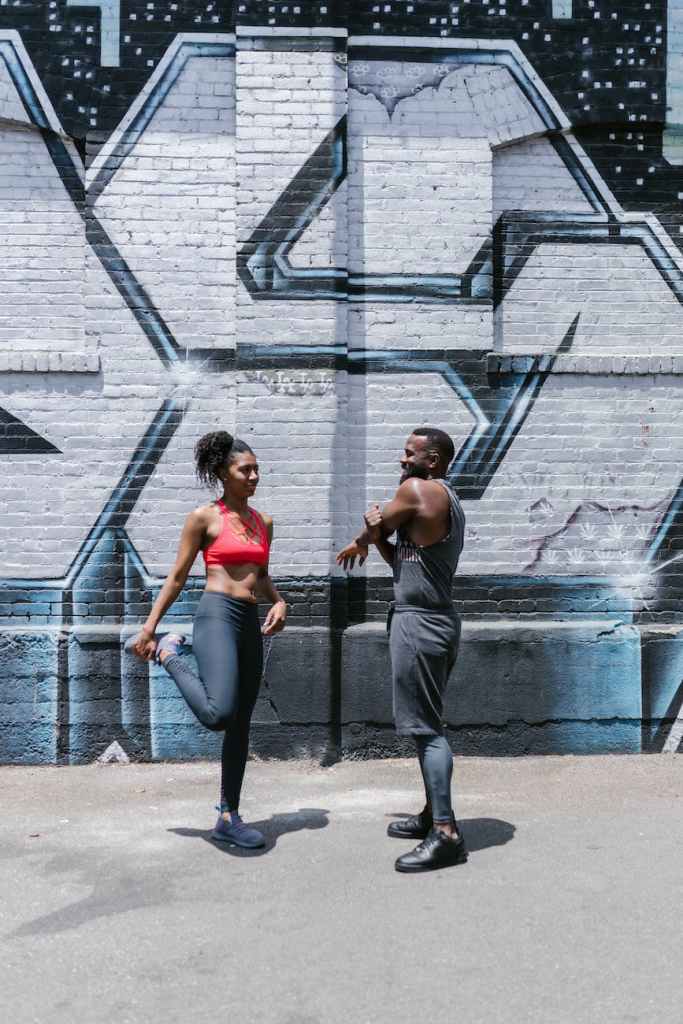
There are several types of stretches that can be incorporated into your routine. Static stretches involve holding a stretch for a period of time, usually around 30 seconds. These stretches are best for after a workout, when your muscles are already warm. Dynamic stretches involve moving through a range of motion and are better for warming up before a workout. Foam rolling, also known as self-myofascial release, involves using a foam roller to apply pressure to specific muscle groups and can help improve flexibility and reduce muscle soreness.

How to Stretch Safely

It’s important to stretch safely to avoid injury and get the most out of your stretching routine. Here are a few tips for stretching safely:

Start slowly: Don’t try to push your body beyond its limits. Gradually increase the intensity and duration of your stretches over time.
Use proper form: Make sure you are using proper form when stretching to avoid injury. This may involve keeping your spine straight or using a wall or other support for balance.
Listen to your body: If a stretch feels painful or uncomfortable, stop immediately. Stretching should be a comfortable and relaxing experience.
Incorporating Stretching into Your Routine

Stretching can be incorporated into your fitness routine in a number of ways. Here are a few suggestions:

Before a workout: Incorporate dynamic stretches into your warm-up routine to help prepare your muscles for activity.
After a workout: Static stretches can help reduce muscle soreness and improve flexibility.
As a standalone activity: Stretching can also be done as a standalone activity, such as through a yoga or Pilates class.
Throughout the day: Take breaks throughout the day to stretch and release tension in your muscles.
Conclusion

Incorporating stretching into your fitness routine can have numerous physical and mental health benefits. Whether you’re an athlete or just looking to stay active and healthy, make sure to include stretching as a regular part of your routine.

Find the Right Workout for You: Yoga, Pilates, HIIT, and Weight Lifting

Whether you’re working out at the gym or at home, you should find a workout regimen that works for you. Most people find great results by sticking to a regular exercise plan. Regular sessions help you build strong muscles and lose weight. The type of workout you choose will determine your progress; some people make great progress with yoga, Pilates or high-intensity interval training (HIIT). Other people excel with weights, circuit training, or running. It’s important to find a method that works best for you and allows you to achieve your goals.

For example, weight lifting is a great way to build muscle mass and strength. People who focus on weights generally have an easier time gaining muscle and strength than those who only focus on cardio exercises. That’s because weights recruit more muscle fibers than cardio. Furthermore, weights are a great way to stay injury-free as you build up your muscles. You can avoid injuries while building up your muscles with weights. In addition, focusing on just one exercise helps you build flexibility as you target each part of your body with the same exercises. Yoga is a great way to get your body into great shape- mentally and physically. It can help with stress, insomnia and more as it targets your whole body with breath work, postures, and relaxation techniques. Essentially, yoga prepares you for any activity you choose afterward.

Meanwhile, Pilates classes typically target your core- your internal organs as well as your abdominal muscles. You spend most of the class exercising your abdominal muscles through abdominal Pilates exercises like sit-ups and crunches. Sitting up straight in chairs can weaken your core muscles, which can lead to back problems and other health issues if they aren’t strong enough. A strong core gives your whole body stability and support as it moves throughout the day. Additionally, focusing on just one exercise allows for rapid gains in flexibility – especially in your hips and shoulders. Anyone who spends a lot of time in front of a computer should consider taking Pilates classes as an option. HIIT (high-intensity interval training) classes are also great for building up your muscles in just a few sessions. These classes combine several cardio exercises with resistance training to give you a total body workout in record time.

Although all workouts help you reach your fitness goals, each method has its advantages and disadvantages. Yoga helps people gain flexibility while weights build strength and cardio works up a sweat fast. For that reason, it’s definitely worth weighing the pros and cons of each type of workout before making a decision!

10 best fitness gifts to give someone who loves to workout

If you have a friend or loved one who is dedicated to their fitness routine, there are plenty of gifts out there that can help them take their workouts to the next level. Here are ten of the best fitness gifts that are sure to be appreciated by anyone who loves to hit the gym, go for a run, or engage in any other form of physical activity:

  1. A new pair of sneakers
  2. A fitness tracker
  3. A gym membership
  4. Resistance bands
  5. A foam roller
  6. A water bottle
  7. A fitness app subscription
  8. Protein powder
  9. A yoga matt
  10. A healty cookbook

A new pair of sneakers

A good pair of sneakers is essential for any workout. Whether your friend is a runner, a CrossFitter, or just someone who likes to stay active, a new pair of shoes can make all the difference in their performance and comfort.

A fitness tracker

A fitness tracker is a great way for your friend to monitor their progress and set new goals for themselves. From step counters to heart rate monitors, there are plenty of options out there to choose from.

A gym membership

A gym membership – If your friend doesn’t already have a gym membership, this is a great gift that will help them take their workouts to the next level. Whether they prefer a big chain gym or a smaller boutique fitness studio, a membership will give them access to a wide range of equipment and classes.

Resistance bands

Resistance bands are a versatile and portable workout tool that can be used for a wide range of exercises. They’re perfect for at-home workouts, and can be easily packed in a suitcase for workouts on the go.

A foam roller

A foam roller is a great tool for anyone who works out regularly. It can help to massage sore muscles and improve flexibility, making it an essential part of any fitness routine

A water bottle

Staying hydrated is crucial for anyone who works out, and a good water bottle is a must-have for anyone who wants to stay on top of their hydration. Look for a water bottle with a leak-proof design and a convenient carrying strap.

A fitness app subscription

 There are plenty of great fitness apps out there that offer personalized workout plans, exercise tracking, and more. A subscription to one of these apps can be a great gift for anyone who is looking to take their fitness to the next level.

Protein powder

Protein is an essential part of any fitness routine, and a high-quality protein powder can help your friend build and repair muscles after a workout. Look for a protein powder that is made from natural ingredients and is easy to mix.

A yoga matt

 Yoga is a great way to improve flexibility and reduce stress, and a good yoga mat is a must-have for anyone who practices yoga regularly. Look for a mat that is durable and has a non-slip surface.

A healty cookbook

 Eating healthy is an important part of any fitness routine, and a cookbook with healthy recipes can be a great gift for anyone who is looking to improve their diet. Look for a cookbook that features a wide range of recipes, from easy weeknight dinners to tasty snacks.

Overall, there are plenty of great fitness gifts out there that are sure to be appreciated by anyone who loves to work out. From new sneakers to a gym membership, these gifts can help your friend take their fitness routine to the next level.

The Complete Guide on Weight Lifting Benefits – Why You Should Start Weight Training Now

Weightlifting can help you build muscle
Weight training is an excellent way to increase muscle mass and strengthen your muscles. It also boosts your metabolism, strengthens your bones and joints, improves muscle tone, helps you burn more calories, and keeps you fitter as you age.

Essentially, strength training primarily helps build muscle. When you build muscle, you reap other benefits, too. First, keep your body injury-free; the more muscles you work, the more you help tighten and stabilize your joints. This is especially true for your two largest ball joints, the hips and shoulders. Exercising the muscles in the right positions can help stabilize joints that often become weak with age and lack of exercise (common in today’s office work culture).

Weightlifting has many benefits for overall health
Lifting weights isn’t just about building muscle and building muscle, experts say. Benefits include improving posture, improving sleep, increasing bone density, maintaining weight, boosting metabolism, reducing inflammation, and fighting chronic disease, among a host of positive effects.

Incorporating weights into your workout routine has many benefits, from looking leaner all the way down to the cellular level. If you’re new to lifting, as long as you start slow and listen to your body, you’ll pay off in your first workout.

Weightlifting can help you lose weight
Weightlifting for weight loss involves structuring an exercise program in a specific way with the goal of losing weight rather than other goals such as gaining muscle, but as long as you exercise regularly and at the right intensity, you can lose body fat with strength training just like aerobic exercise.

Strength training is also such a great way to lose weight that, as a professional trainer, I recommend that anyone trying to lose weight do strength training before cardio. There are two reasons why it’s so great… a) Weight training burns calories both during and after your workout.

Sources
1.https://www.healthline.com/health/how-to-start-lifting-weights

2.https://www.menshealth.com/fitness/a27212209/beginners-guide-weight-training/

3.https://globalnews.ca/news/3513498/8-reasons-why-weight-training-is-incredible-for-your-health/

4.https://www.insider.com/guides/health/fitness/benefits-of-lifting-weights

5.https://marathonhandbook.com/lifting-weights-to-lose-weight/

6.https://www.characterstrength.co.uk/post/weightlifting-benefits-11-reasons-to-lift-weights

7.https://www.pexels.com/

8. foto by <a href=”https://www.freepik.com/free-photo/low-angle-view-unrecognizable-muscular-build-man-preparing-lifting-barbell-health-club_25743546.htm#query=deadlift&position=2&from_view=keyword”>Image by Drazen Zigic</a> on Freepik

is rest important?

Is it important to rest between workouts.

It is important to rest between workout. So that the your muscles can heal. When you workout it will cause small tears in your muscles that need to heal so it can endure the stress you are putting it under. That is easily explained how you get stronger.

to repair the micro tears you need to rest. If you don’t rest it will backlash on you after some time, you don’t want to overtrain. when you rest your cells called fibroblasts repair your muscles. But if you don’t rest enough between workouts those cells won’t have enough time to repair the tears and it will result to the tear getting bigger. You will also don’t feel good. You will feel inflamed, swollen and exhausted. Your trainings performance will decrease. If you want to increase your gains then click here.

one tip to increase your gains

In my last post i talked about calories and nutrition. Now i am gonna give you one tip that will increase your gains. Now with everybody having access to the internet you will see a lot of fitness video. With people doing weird exercises to stand out from the crowd.

You need to apply progressive overload to your training. But what is that? Progressive overload is that you go hard enough each time to disturp you internal envirment.

You can apply progressive overload by adding more weight, do more reps, sets or go slower pn a rep each time you train. But you don’t need to go overboard by adding to much weight or else you might be ego lifting before you know it.

if you do that then i wll guarantee that you will be seeing a lot more progress. thanks for reading.

calorie basics

If you really want to start lifting or just want to lose weight. Then the actual lifting is a part of the proces but something a lot of people neglect is their diet and calorie intake.

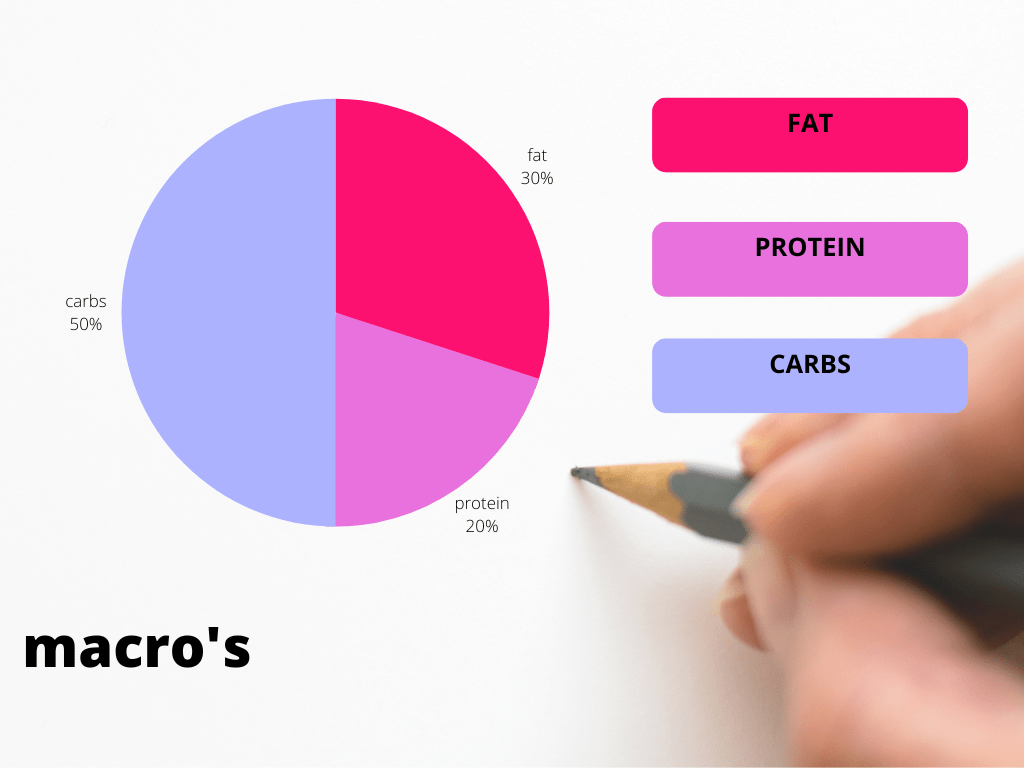
So lets start from the beginning. there are 3 big nutritional values. the first one is.

  • fat 1gram of fat is the same as 9 calories
  • protein: 1gram of protein is the same as 4 calories
  • carbs: 1 gram of it is the same as 4 calories

To know how much of each you need to have, you need to take your calorie intake do that times 0.30 and then for fat devide it by 9.The 0.30 is the total percentage of your diet you want fat. It can change depending on how much percentage you chose. For example i chose for 30 percent fat then i have the rest for carbs and protein. For protein you need to take around 2 grams per kg or 0.8 per lbs. And carbs the rest. Myfitnesspal is a very handy app that i personally use that can do the math for you. #notsponsered

One thing that is very important is that there is no magic food that lets you lose a lot of weight quick. If you really want to lose weight you need to do a calorie deficit, that is when you burn more calories then you eat. My advise is to burn around 250-500 calories more then you eat in a day. If you want to gain weight you need to eat in a calorie surplus, that means that you eat more calories then you burn. I advise to do it eat around 250-500 calories more then you burn.

I hope this was helpfull.